Remote learning didn’t just change daily schedules in Fairfield County—it fundamentally reshaped how families think about their homes. What began as a temporary response to school closures quickly revealed long-term spatial shortcomings in houses designed for a very different rhythm of life. Dining rooms doubled as classrooms, bedrooms became study halls, and shared spaces turned into constant negotiation zones. As months passed, homeowners realized that these makeshift solutions were not sustainable. Remodeling plans that once focused on aesthetics or resale value shifted toward functionality, privacy, and adaptability, marking a permanent change in how homes are planned and improved across the county.
From Open Concepts to Zoned Living
Before remote learning, open-concept layouts were a dominant design preference in Fairfield County. They emphasized light, flow, and social connection. Remote learning disrupted that model. Multiple simultaneous video calls, online classes, and work meetings exposed the limits of open spaces. Noise traveled too easily, visual distractions multiplied, and a lack of separation made focused learning difficult. As a result, remodeling plans began to favor defined zones—walls, pocket doors, and converted rooms that could support quiet, concentration, and routine. This shift wasn’t about reversing modern design trends but about recalibrating them to support new daily demands.
Dedicated Learning Spaces Became Non-Negotiable
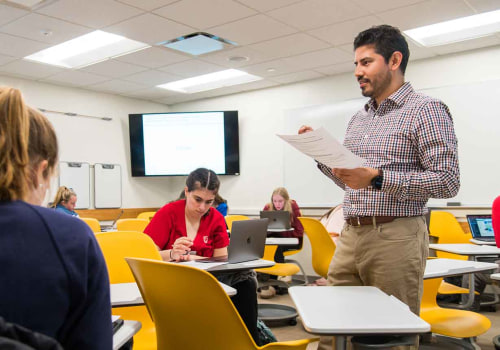
One of the most lasting impacts of remote learning was the realization that children needed dedicated, purpose-built learning environments. Temporary desks in bedrooms were not enough. Families began prioritizing built-in desks, sound insulation, improved lighting, and storage designed specifically for school materials. Bonus rooms, basements, and underused dens were reimagined as hybrid learning studios. This demand pushed homeowners to rethink square footage allocation, often choosing to remodel rather than move. Local professionals, including a home remodeling contractor in New Canaan, CT, saw increased requests for projects centered on academic functionality rather than luxury upgrades.
Technology Infrastructure as a Remodeling Driver
Remote learning also elevated technology from a convenience to a core design requirement. Reliable internet access, hardwired connections, sufficient outlets, and proper ventilation for equipment became essential. Older homes in Fairfield County, many built long before digital infrastructure was a consideration, required significant updates to support these needs. Remodeling plans increasingly included electrical upgrades, improved Wi-Fi distribution, and layouts that minimized screen glare and eye strain. These changes weren’t temporary fixes—they were investments acknowledging that digital learning would remain part of education long-term.
Flexibility Over Permanence
Another lasting change was a shift toward flexible design. Families learned that needs could change quickly, and remodeling plans began to reflect that uncertainty. Spaces were designed to transition between learning, working, and living with minimal disruption. Murphy desks, movable partitions, and multi-use rooms replaced single-purpose designs. This flexibility ensured that even if full-time remote learning diminished, the remodeled spaces would continue to add value and functionality rather than becoming obsolete.
Equity, Space, and Lifestyle Reevaluation
Remote learning also forced families to confront disparities in space and layout. Homes that once felt adequate suddenly felt constrained. This prompted broader lifestyle evaluations—how much space was truly needed, how it was used, and whether remodeling could solve problems once assumed unavoidable. In Fairfield County, where moving can be costly and competitive, remodeling became a strategic alternative to relocation.
A Permanent Shift in Remodeling Priorities
Why remote learning permanently changed remodeling plans in Fairfield County comes down to awareness. Families became acutely aware of how space affects productivity, learning outcomes, and mental well-being. Once seen, these insights couldn’t be unseen. Remodeling is no longer just about updating finishes or increasing resale value; it’s about designing homes that can absorb change. Remote learning may have been the catalyst, but the resulting shift toward adaptable, function-first remodeling is here to stay.